 English




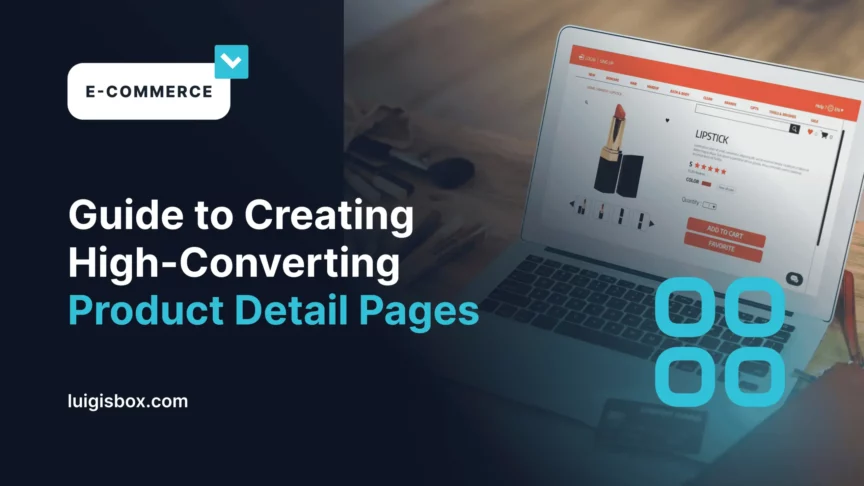
A product detail page (PDP) is an important touchpoint for converting visitors into customers. This is the space where shoppers make their final decision, and if done correctly, a well-crafted product page can significantly boost sales, customer trust, and overall brand perception.
In this article, we’ll explore the anatomy of a high-converting PDP, key elements to focus on, and actionable tips to increase conversion rates
What is a product detail page (PDP)?
A product detail page (PDP) is a specific page on your website dedicated to a single product. It provides in-depth information, imagery, and specifications that help a potential customer understand the product’s features, benefits, and overall value. A well-optimized PDP answers all the essential questions a customer may have, reducing friction in the buying process and encouraging them to make a purchase.

Why PDPs are important
A well-designed product detail page can significantly contribute to revenue growth. By showcasing key selling points, retailers highlight the benefits and unique features of their products. Additionally, a transparent and detailed PDP builds trust, making customers feel more confident in their decision to purchase, ultimately enhancing brand credibility and loyalty over time.
PDPs also offer opportunities for personalization. According to McKinsey, personalized content can boost revenue by up to 40%. By leveraging shopper data and browsing history, retailers can suggest complementary items or personalized product recommendations that increase upselling and cross-selling opportunities.
Beyond conversion, optimized PDPs help drive organic traffic. By incorporating relevant keywords and well-crafted meta descriptions, PDPs improve search engine rankings, attracting more qualified leads and reducing bounce rates.
Key elements of a successful product detail page
Despite their significance, only 18% of the companies have product detail pages that are considered “good” or “acceptable.” Here’s an outline of what to include on your PDPs to boost revenue:
1. Compelling product title and overview
A compelling product title and overview should be the first thing your customers see. The title should be clear, concise, and engaging, quickly communicating what the product is while capturing the customer’s attention. Follow this with a brief overview that highlights key selling points or unique features, making sure the title is descriptive but not too long. Words like “exclusive” or “bestseller” can create urgency, while a short summary can address a common customer pain point.
2. High-quality product images and videos
High-quality product images and videos are essential, as customers can’t physically interact with the product. According to Google, 85% of shoppers say product information and pictures are important to them when deciding which brand or retailer to buy from.
Using high-resolution images from multiple angles with zoom functionality and lifestyle shots helps build trust. Videos showing the product in use, highlighting features, or providing assembly guides also offer valuable visual content. Some brands go even further with 360-degree views or augmented reality tools to let users virtually “try” the product.
3. Clear pricing and call-to-action (CTA)
Clear pricing and a strong call-to-action (CTA) are key to avoiding cart abandonment. Make the price easy to find and understand, with no hidden fees. The CTA, whether it’s “Buy Now” or “Add to Cart,” should be placed prominently next to the price and be persuasive. You can emphasize value by showing price comparisons or discounts, and ensure the CTA stands out by using a contrasting color.

4. Detailed product descriptions
Up to 70% of consumers leave a product page due to poor or incomplete product information. This not only showcases the importance of product catalog optimization but also that the detailed product descriptions need to go beyond listing features. They should highlight benefits and use cases, focusing on how the product solves a problem or fulfills a need.
Conversational, engaging language that reflects your brand’s tone works well, while technical specifications and dimensions provide detailed information for those who need it.
5. Customer reviews and social proof
Customer reviews and social proof play a powerful role in boosting conversions. In fact, 98% of customers read reviews before they shop, making it one of the most important sources of information about products and services there is.
By displaying reviews, user-generated content, and influencer testimonials, you build trust and validate the product’s quality. Showcase star ratings and highlight reviews that mention specific benefits to make your PDPs even more effective in your social commerce efforts.
6. Stock availability and urgency tactics
Stock availability and urgency tactics can create a sense of scarcity and encourage quick purchases. Letting customers know if stock is limited or demand is high, through phrases like “Only 5 left!” or showing countdown timers, can motivate faster decisions.
7. Shipping, returns, and warranty information
Shipping, returns, and warranty information should be easy to find, as uncertainty about these details is a common reason for cart abandonment. Offering free shipping or clearly outlining return and warranty policies builds customer confidence and can prevent lost sales. Include estimated delivery dates based on the customer’s location to help set clear expectations.
8. Cross-selling and upselling recommendations
Cross-selling and upselling suggestions can increase average order value (AOV) and improve the shopping experience for your customers. AI-driven tools, such as e-commerce recommendation engine, leverage customer behavior and interests to make suggestions that are both relevant and personalized, keeping your visitors engaged longer.
9. Mobile-friendly design
M-commerce, or mobile commerce, is rapidly reshaping the retail landscape as more consumers use smartphones to browse and purchase products. It is expected to account for over 60% of total e-commerce sales by 2026, equating to approximately $3.56 trillion.
To keep up with this rapid growth, make sure your PDPs are optimized for mobile devices. This can be accomplished by testing on multiple screen sizes, making buttons large enough to tap, and simplifying the checkout process. These steps are all key to crafting a smooth mobile shopping experience.
10. Product FAQ section
A product FAQ section can help reduce customer hesitation by addressing common concerns upfront. Questions around sizing, compatibility, and product features should be answered here, often informed by customer reviews. This helps lessen support inquiries and instills confidence in the purchase decision.
How to make your product detail page discoverable
To make your product detail page rank well on search engines, it’s important to optimize it for SEO. This involves placing target keywords naturally in the product and category page’s title, URL, and meta description, as well as using keywords in headers and image alt tags.
Internal linking to related products or relevant blog posts also helps improve user engagement and SEO performance. Additionally, using schema markup for product reviews, pricing, and availability can increase your page’s visibility in search results through rich snippets.
Final thoughts
A high-converting product detail page is much more than just a place to list your product. It’s a comprehensive tool that provides customers with the information and reassurance they need to make a confident purchase decision. By focusing on clear communication, user experience, and the right combination of persuasive elements, you can significantly improve your e-commerce performance.
Take the time to A/B test different elements and regularly update your PDPs with fresh content, reviews, and optimized media. This will not only enhance the shopping experience but also build long-term customer loyalty and increase sales.
Katrina has an extensive background in research, communications, and marketing. When she’s not creating content for Luigi’s Box, she enjoys reading, writing poetry, music, traveling, and spending as much time outdoors as possible.
More blog posts from this author