 English


What does file indexing do?
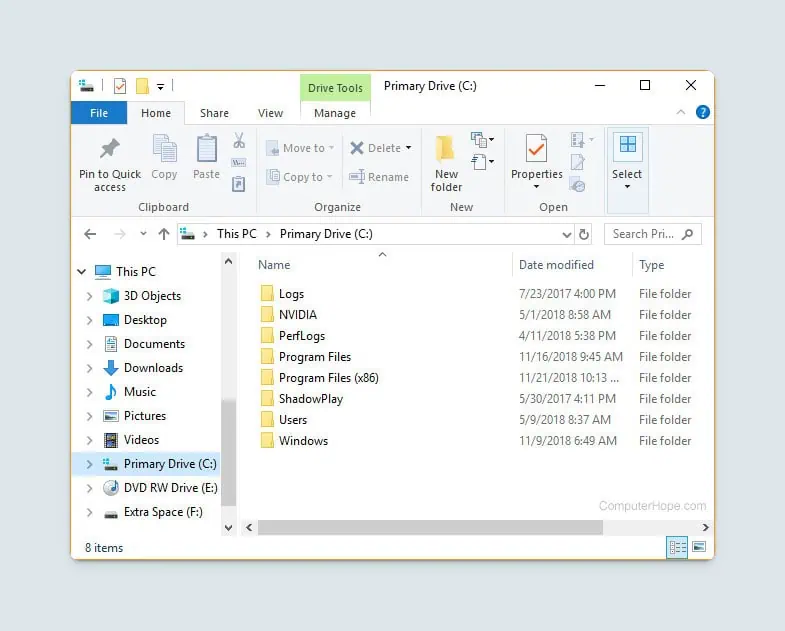
File indexing organizes and categorizes files and documents. It creates a searchable index on their content, metadata, and directories. This allows for faster and more efficient file retrieval, eliminating the need for scanning through each file throughout entire directories. File indexing also improves search performance by allowing users to quickly find specific files using keywords or filters.
Which features are included in file indexing?
File indexing uses several features, including fast search capabilities, categorization, and metadata tagging for easy retrieval. Many systems also leverage OCR software (optical character recognition), enabling the indexing of scanned documents by converting images or PDF files into searchable text.
Does file indexing slow down computers?
During the initial indexing process or updates, file indexing can temporarily slow down computers. However, most modern systems carry out indexing processes in the background, minimizing the impact on performance. Once the indexing part is complete, it improves system performance by speeding up file searches and retrieval.
What is an example of document indexing?
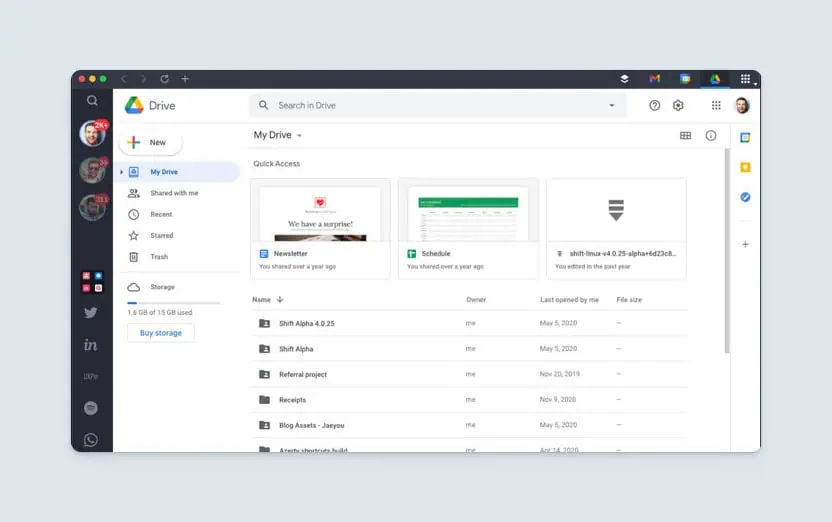
For example, collaboration platforms like Google Drive or Microsoft SharePoint use indexing to organize and retrieve documents based on metadata, content, and file properties. In e-commerce, Amazon and eBay use indexing to categorize product listings for fast retrieval.


